Source Anti Wrinkle Collagen Film for Home, Commercial, and Spa Use
Compare 30 anti wrinkle collagen film options featuring hyaluronic acid and peptides for forehead, cheeks, neck, and eyes. These products support firming and whitening for adult skin types with OEM/ODM availability; compare the available evidence and request quotations based on your requirements.
Key considerations
Products List








Comprehensive Sourcing Guide
Anti Wrinkle Collagen Film Sourcing Guide
Procuring anti-wrinkle collagen film requires a nuanced understanding of both the material science behind soluble films and the cosmetic formulation trends driving demand. These products typically combine hydrolyzed collagen, peptides, and hyaluronic acid to deliver targeted hydration and firming benefits directly to the skin. Buyers must distinguish between single-use sheet masks and multi-component kits that include complementary mists or serums, as the latter often command higher price points and offer more comprehensive treatment protocols. The core value proposition lies in the ability of the film to dissolve into the skin, enhancing ingredient absorption while providing an occlusive barrier that prevents moisture loss during the treatment period.
The market for these items is heavily influenced by OEM and ODM capabilities, allowing brands to customize packaging, ingredient profiles, and even the physical dimensions of the film patches. Sourcing decisions should prioritize suppliers who demonstrate flexibility in formulation, such as offering organic variants or specific peptide blends, while maintaining consistent quality across batches. Additionally, the application scope extends beyond simple home use to commercial settings, requiring suppliers to meet rigorous hygiene and packaging standards. Understanding these distinctions helps buyers align their procurement strategy with their brand positioning, whether they are targeting mass-market affordability or premium, clinically-inspired skincare solutions.
Product Scope and Observed Listing Signals
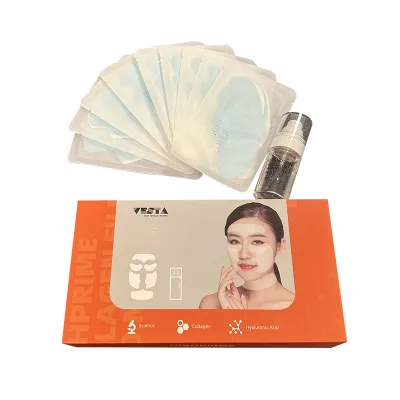
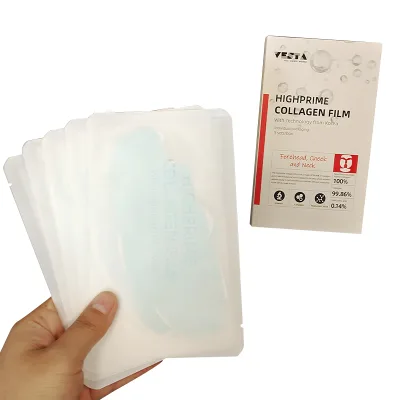
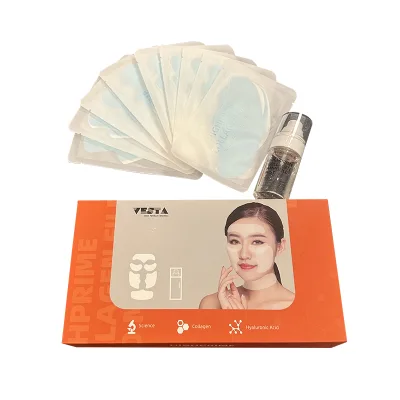
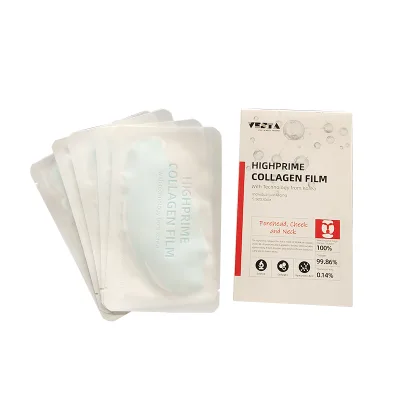
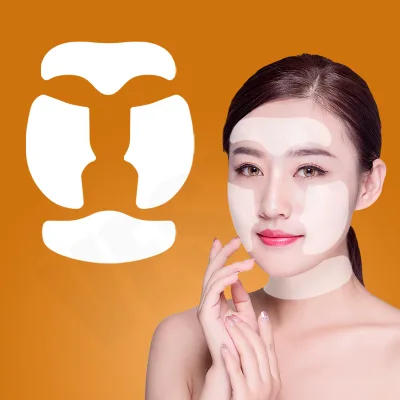
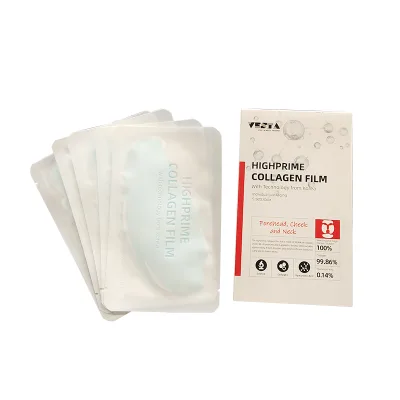
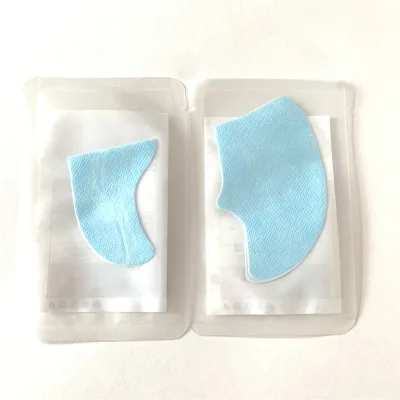
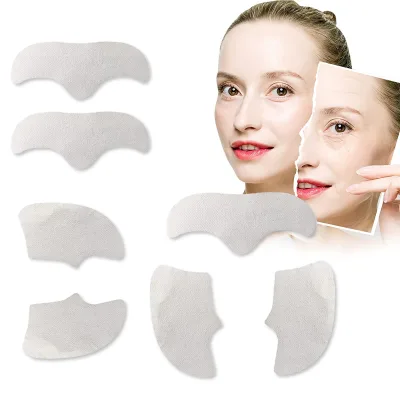
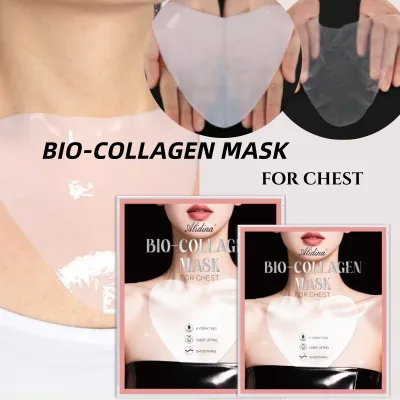
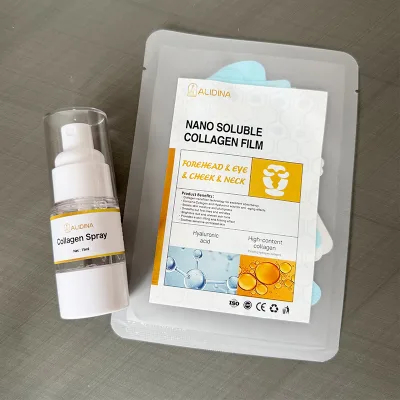
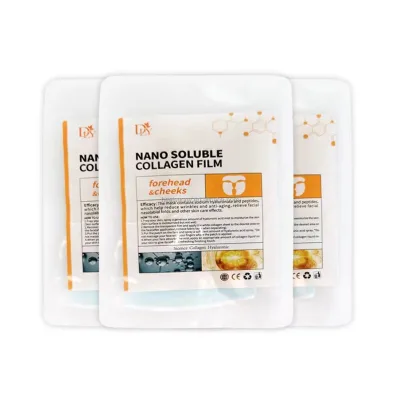
Current market listings reveal a diverse range of product configurations, from simple single-bag films to complex kits containing multiple patches for different facial zones. A common observed structure includes a set of ten bags comprising one forehead patch, two cheek patches, one neck patch, and two eye patches, often paired with a 50ml collagen mist bottle. This comprehensive approach addresses multiple treatment areas simultaneously, appealing to consumers seeking a full-face rejuvenation routine. The material is typically non-woven fabric, designed to be lightweight and conformable, with some listings specifying a white color and specific package dimensions that suggest compact, travel-friendly designs.
Price points vary significantly, ranging from low-cost individual units to premium sets, reflecting differences in ingredient concentration, packaging complexity, and brand positioning. Minimum order quantities (MOQs) also fluctuate, with some suppliers offering low entry points for sampling while others require bulk commitments for customized packaging. Buyers should note that many listings support sample orders, which is crucial for evaluating the texture, dissolution rate, and scent of the film before committing to large-scale production. The presence of certifications such as CE, MSDS, COA, and CPNP in listings indicates a baseline level of regulatory compliance, though buyers must verify the validity and scope of these documents for their specific target markets.
Technical Specifications to Verify
When evaluating technical specifications, the primary focus should be on the material composition and the precise delivery mechanism of the active ingredients. Buyers must confirm whether the film is made from standard non-woven fabric or advanced soluble materials that dissolve upon contact with skin moisture. The inclusion of key ingredients like hyaluronic acid, peptides, and collagen should be verified through batch-specific certificates of analysis (COA) to ensure potency and purity. Additionally, the physical dimensions of the single package and the gross weight per unit are critical for logistics planning and shelf-space optimization, as these factors directly impact shipping costs and retail display requirements.
Shelf life is another critical technical parameter, with many products offering a three-year stability period, which is advantageous for inventory management and reducing waste. However, buyers should verify the storage conditions required to maintain this shelf life, such as temperature and humidity controls, to prevent degradation of the collagen or peptides. The model number and specific product naming conventions can also provide insights into the manufacturer’s product line and potential for future compatibility with other skincare products. Ensuring that the technical specifications align with the claimed benefits, such as anti-aging or firming, is essential for maintaining brand credibility and customer satisfaction.
Compliance and Safety Documentation
Regulatory compliance is non-negotiable in the cosmetic industry, and buyers must ensure that all suppliers provide comprehensive safety documentation before placing orders. Certifications such as CE, MSDS, COA, and CPNP are commonly cited, but their relevance depends on the target market. For instance, CPNP registration is mandatory for products sold in the European Union, while other regions may have different notification requirements. Buyers should request copies of these documents and verify their authenticity with the issuing bodies to avoid legal liabilities and product recalls. Additionally, understanding the specific claims made on the packaging, such as "anti-wrinkle" or "whitening," is crucial, as these terms are often strictly regulated and may require clinical evidence to support.
Safety data sheets (MSDS) provide detailed information on the chemical composition and handling precautions, which is vital for both the supplier and the end-user. Buyers should review these documents to identify any potential allergens or irritants, especially if the product is marketed for sensitive or dry skin types. Furthermore, the manufacturing process should adhere to Good Manufacturing Practices (GMP) to ensure product consistency and hygiene. Collaborating with suppliers who have a transparent supply chain and robust quality control systems can mitigate risks associated with contamination or ingredient substitution, ensuring that the final product meets all safety standards.
Cost Drivers and Commercial Terms
Several factors influence the final cost of anti-wrinkle collagen film, including the complexity of the formulation, the quality of raw materials, and the packaging design. Customization fees are a significant cost driver, particularly for OEM orders where branding, logo placement, and unique packaging shapes are required. Suppliers often charge additional fees for custom packaging, which can range from modest amounts for small runs to higher costs for larger volumes. Buyers should negotiate these fees carefully, as some suppliers may waive them for orders exceeding a certain quantity, such as 1000 boxes, which can significantly reduce the per-unit cost.
Minimum order quantities (MOQs) also play a crucial role in pricing, with lower MOQs typically resulting in higher per-unit costs due to setup and production inefficiencies. However, some suppliers offer flexible MOQs for standard products, allowing buyers to test the market with smaller orders. Payment terms, lead times, and shipping costs are additional commercial considerations that can impact the overall procurement budget. Buyers should seek clear and transparent pricing structures, including any hidden fees for sampling, tooling, or expedited shipping, to avoid unexpected expenses. Establishing a long-term partnership with a supplier can often lead to better pricing and more favorable commercial terms.
Supplier Qualification and Quality Control
Selecting the right supplier involves a thorough assessment of their manufacturing capabilities, quality control processes, and track record. Buyers should prioritize suppliers who offer OEM/ODM services, as this indicates a level of flexibility and expertise in customizing products to meet specific brand requirements. It is essential to verify the supplier’s production capacity and lead times to ensure they can meet demand peaks without compromising quality. Additionally, suppliers should have a robust quality control system in place, including regular testing of raw materials and finished products, to ensure consistency and safety.
Site audits and third-party inspections can provide valuable insights into the supplier’s operational standards and compliance with international regulations. Buyers should also evaluate the supplier’s customer service and communication capabilities, as these factors are crucial for resolving issues quickly and maintaining a smooth supply chain. Requesting references from existing clients can help gauge the supplier’s reliability and performance. Furthermore, suppliers who support sample orders demonstrate confidence in their product quality and are more likely to be transparent about their processes. Building a strong relationship with a qualified supplier can lead to better collaboration and innovation in product development.
Long-Term Procurement Checks
Sustaining a successful procurement strategy for anti-wrinkle collagen film requires ongoing monitoring and evaluation of supplier performance and market trends. Buyers should regularly review key performance indicators (KPIs) such as on-time delivery rates, product quality metrics, and customer feedback to identify areas for improvement. Continuous communication with suppliers is essential to stay informed about any changes in regulations, ingredient availability, or production processes that could impact the supply chain. Additionally, buyers should keep an eye on emerging trends in the skincare industry, such as new ingredient innovations or packaging technologies, to remain competitive.
Risk management is another critical aspect of long-term procurement, including diversifying the supplier base to mitigate the impact of disruptions. Buyers should also consider the environmental and social impact of their procurement decisions, seeking suppliers who adhere to sustainable practices and ethical labor standards. Regularly updating the product portfolio to include new and improved formulations can help maintain customer interest and drive sales. Finally, maintaining a detailed record of all procurement activities, including contracts, invoices, and quality reports, is essential for auditing and compliance purposes. By adopting a proactive and strategic approach, buyers can ensure the long-term success of their anti-wrinkle collagen film sourcing efforts.
FAQs
What is the main ingredient in the collagen film?
The main ingredient is collagen, often combined with peptides and hyaluronic acid. This formulation supports skin hydration and firmness for all skin types, including dry skin, while targeting anti-aging and whitening benefits effectively.
How many pieces are included in one bag of the film?
One bag contains five pieces designed for specific facial areas. It includes one piece for the forehead, two for the cheeks, one for the neck, and two for the eyes, ensuring comprehensive coverage for anti-wrinkle treatment.
Can I get samples before placing a bulk order?
Yes, samples are supported for this collagen film product. Buyers can request samples to verify quality before committing to larger orders, which helps in evaluating the material and effectiveness for commercial or home use applications.
What certifications does the product hold for safety?
The product holds several key certifications including CE, MSDS, COA, and CPNP. These documents verify compliance with safety standards and regulatory requirements, ensuring the collagen film is suitable for commercial distribution and use.
What is the minimum order quantity for this item?
The minimum order quantity is 100 bags or 100 sets depending on the specific packaging configuration. This MOQ allows buyers to start sourcing with a manageable volume while accessing the OEM and ODM supply options available.
Where is the product manufactured and what is the shelf life?
The product originates from Jiangsu, China, and has a shelf life of three years. This ensures long-term storage stability for buyers importing the collagen film and mist set for commercial resale or professional use.
Does the package include a collagen mist bottle?
Yes, the package includes one 50ml bottle of collagen mist alongside the film bags. This combination provides a complete treatment set, enhancing the anti-aging and firming effects when used together on the face and neck.